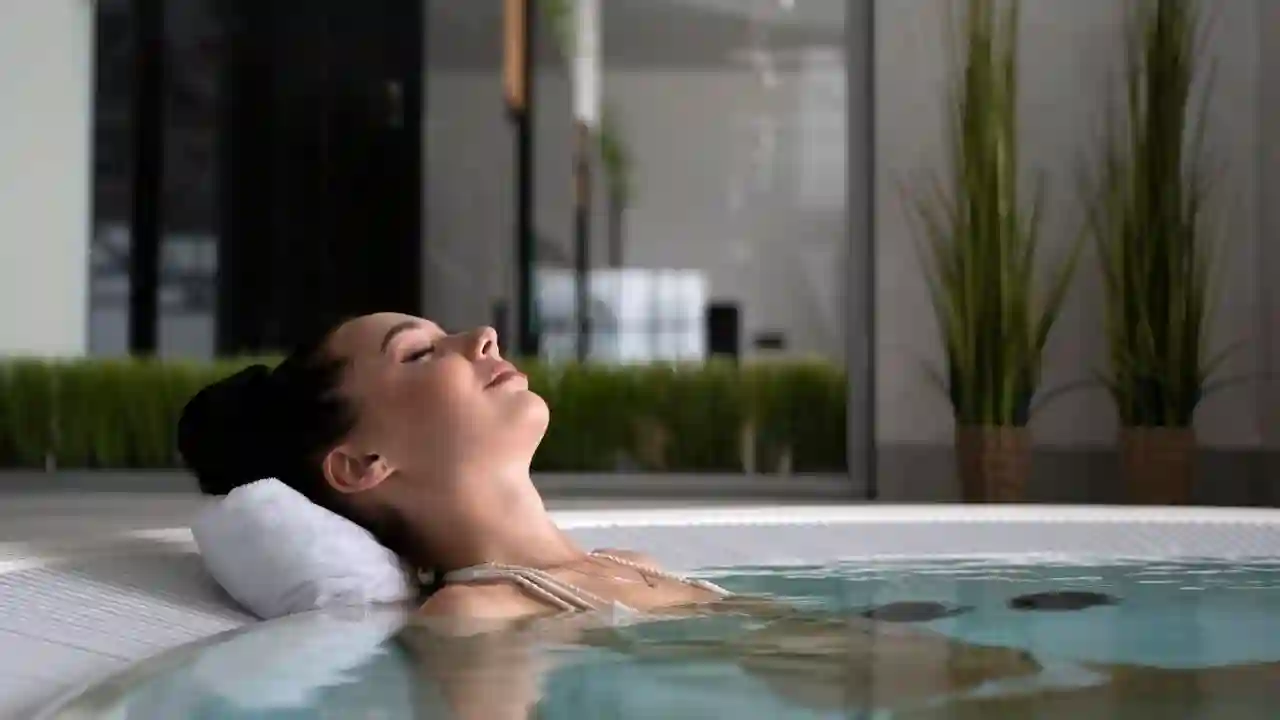
Float therapy is a session of lying in a shallow tank of body-temperature water saturated with Epsom salt, in low light and near silence. People often report deep relaxation afterward, and small studies suggest it may support short-term stress and anxiety relief, but evidence for lasting benefits is limited and mixed.
What is float therapy?
Float therapy, also called flotation-REST (restricted environmental stimulation technique) or sensory deprivation, takes place in a float tank, pod or private float room. The water is about skin temperature and holds enough magnesium sulfate that you float on the surface without effort. Sound and light are reduced as far as the studio design allows.
The idea is simple. With little to see, hear or feel, the nervous system gets a break from constant input. Studios often describe it as a form of deep rest, a bit like a very quiet guided meditation without the guide. Explore the full float therapy modality page for background and local options.
What happens during a float session?
A typical visit follows a predictable routine:
- •You shower before getting in so the water stays clean.
- •You enter the tank or pod and lie back. Most people use earplugs to keep salt water out of the ears.
- •Lights and music, if used, fade out. Many studios let you choose to keep a dim light on.
- •You float for 60 to 90 minutes, then shower again to rinse off the salt.
It is normal for the first ten minutes to feel strange. Thoughts may race, the neck may feel tense, or you may feel drowsy. Many people say it becomes easier by the second or third visit.
What are the possible benefits of floating?
People who float commonly report:
- •A calmer, more relaxed state right after a session
- •Easier sleep that night
- •Less muscle tension, since the body is supported without effort
- •A mental pause that feels similar to meditation
These are self-reports and not promised outcomes. Floating has not been shown to heal any condition, and it works best viewed as a relaxation practice.
What does the evidence say?
Research on flotation-REST exists, but it is small and uneven.
A 2016 randomized pilot trial in Sweden followed 46 adults with self-reported generalized anxiety. Those who completed twelve float sessions reported lower anxiety symptoms than a wait list group, with some benefits still present at six months. The study was not blinded, and the authors called for more research (Jonsson and Kjellgren, 2016).
A 2009 analysis of 88 people with stress-related muscle tension pain found improvements in stress, anxiety, depression, sleep quality and pain after twelve sessions. It had no control group, so it cannot show that floating caused the changes (Bood et al., 2009).
A more rigorous 2021 trial in Germany compared five float sessions with an indistinguishable placebo float and a wait list in 99 people with chronic pain. Floating helped in the short term, but so did the placebo condition, and there were no long-term differences. The authors suggested that expectation and the relaxing setting may explain part of the effect (Loose et al., 2021).
Taken together, floating may feel relaxing for many people, but it is not clear whether the tank itself does anything special. Short-term calm is plausible. Lasting clinical benefits have not been established.
Safety and who should check first
Float therapy is generally considered low risk for healthy adults. Still, ask a clinician first if you are pregnant, have epilepsy, blood pressure problems, a skin infection, an open wound or recent tattoo, or a history of panic attacks. People with claustrophobia can ask for an open pod or a room where the door stays ajar.
Avoid floating after alcohol or sedating medication. Skip it if you recently dyed your hair or used a harsh depilatory, since salt water can sting. If floating brings up distress, stop and speak with a mental health professional. It is not a substitute for care.
How to choose a float studio and find a practitioner
Look for clean, well-maintained facilities and staff who can explain how the water is filtered and tested. Good studios welcome first-timer questions and never pressure you to stay in.
Related reading: restorative yoga poses and benefits is a lower-cost way to practice deep rest, and a plain guide to meditation, research and safety explains another route to the same calm.
If you want to pair floating with other relaxation practices, consider restorative yoga or a regular meditation practice, which may complement it. Browse float studios and related practitioners on Gyfts Explore to compare options near you.