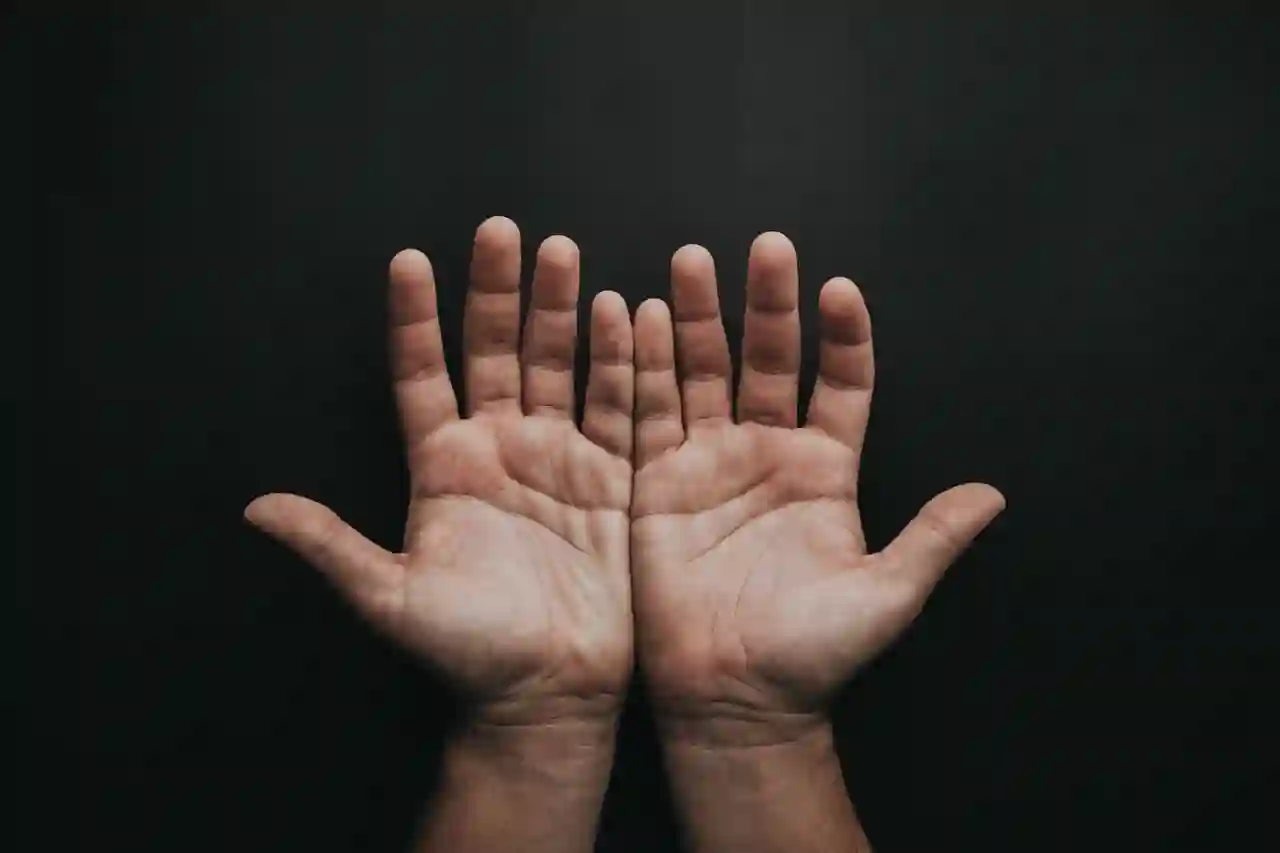
To read palms in the traditional palmistry system, you look at four major lines (heart, head, life, and fate), the raised pads called mounts, and the overall shape of the hand, ideally comparing both hands. These meanings come from cultural tradition, and scientific evidence does not show that palm features predict personality or the future, so palmistry is best enjoyed as entertainment and reflection.
What is palmistry and where did it come from?
Palmistry is also called chiromancy, from Greek words meaning hand and divination. Britannica says it may have begun in ancient India, and that versions were known in China, Tibet, Persia, Mesopotamia, and Egypt, with significant development in ancient Greece.
The U.S. National Library of Medicine notes that chiromancy manuals circulated in manuscript from the fourteenth century and were printed in growing numbers through the seventeenth. It was seen as a cousin of astrology and face reading. By the end of the seventeenth century, scholars had discredited it as an intellectual system, though fortune-tellers kept practicing. It revived popularly in the nineteenth century.
What do the four major palm lines mean?
Schools differ, but beginners usually learn these four first. The meanings below are symbolic traditions, not tested facts.
- •**Heart line:** the curved line under the fingers. Traditionally linked to emotions, affection, and how someone relates to others.
- •**Head line:** runs across the middle of the palm. Traditionally linked to thinking style, curiosity, and focus.
- •**Life line:** curves around the base of the thumb. Traditionally linked to energy and major life changes. Its length does not indicate how long you will live.
- •**Fate line:** runs up the center of the palm. Traditionally linked to career path and sense of direction. Many people do not have a clear one, and that is normal.
Readers look at whether lines are long, short, deep, faint, broken, or branching, then tell a story from the combination.
What are the mounts of the palm?
Mounts are the fleshy pads at the base of each finger and around the palm. Many traditions name them after planets, which is why palmistry and astrology often overlap in vocabulary.
- •Jupiter (under the index finger): ambition and leadership
- •Saturn (middle finger): responsibility and caution
- •Apollo (ring finger): creativity and expression
- •Mercury (little finger): communication
- •Venus (base of the thumb): warmth and vitality
- •Moon (outer palm, lower): imagination and intuition
A fuller mount is traditionally read as that quality being more pronounced. A flatter one suggests it is quieter.
Does hand shape matter?
Many modern readers sort hands into four types, often named after the elements: earth (square palm, shorter fingers), air (square palm, longer fingers), fire (longer palm, shorter fingers), and water (longer palm, longer fingers). Each is paired with broad personality themes.
Britannica credits nineteenth-century writers such as Casimir d'Arpentigny with reviving interest in reading the hand's overall form. The element labels are a modern teaching convenience, so you will see variations.
Which hand should you read?
A common convention reads the dominant hand as showing who you are becoming now, and the other as inherited tendencies or potential. Some schools use left for women and right for men, and others skip the distinction entirely.
Since there is no tested rule, the practical advice is to look at both hands, notice differences, and use them as conversation prompts. Lines also shift over time as hands age, grow, and are used, which readers say is part of the fun.
What does the evidence say?
Historians can show how palmistry developed and spread. What they cannot show is that palm lines forecast events or reveal character. Britannica describes 17th-century efforts to give palmistry an empirical footing, but it later fell out of favor as a system of knowledge.
The feelings people report, such as enjoying the ritual or seeing a theme that rings true, may reflect broad statements that feel personal. Think of any reading as a story you can enjoy, not information about your health or future.
Safety and how to find a palm reader
Palmistry carries little risk when treated as entertainment. Do not use it for health, legal, or money decisions, and avoid readers who give frightening predictions or insist on paying more to fix a problem. For choices that matter, rely on licensed professionals.
Related reading: how to read the I Ching and the differences between astrology and astronomy cover related traditional systems, and what to expect during an intuitive reading explains how a reading usually runs.
To learn more, visit the palmistry modality page or browse all Gyfts practitioners. If you prefer a more freeform style, see how intuitive reading works. Before booking, ask which tradition the reader follows and whether they present readings as reflection or prediction.