Tongue scraping may modestly reduce the coating on your tongue and, for some people, short-term breath odor when added to toothbrushing. The research is limited and mixed, and the American Dental Association describes it as an optional habit rather than a necessary step.
What is tongue scraping?
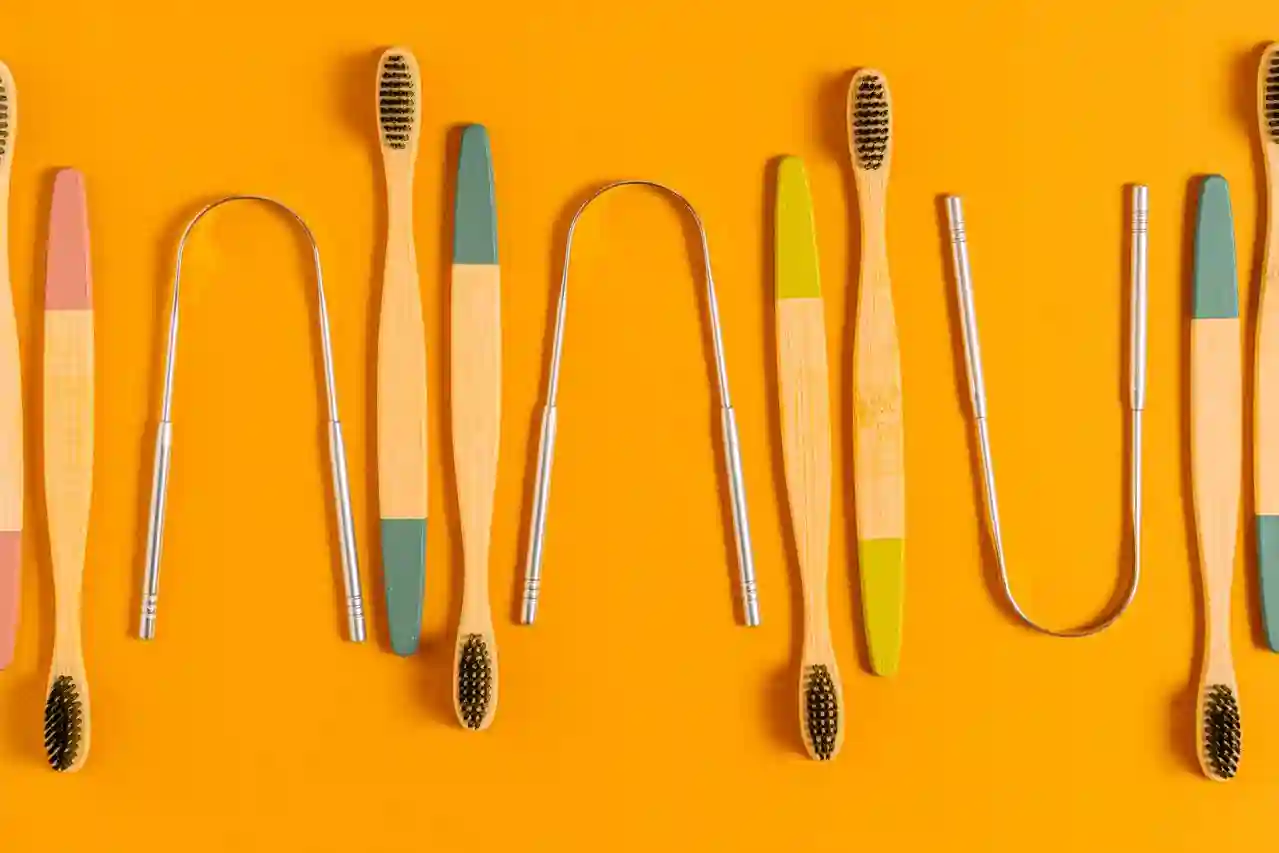
Tongue scraping is the habit of drawing a smooth, rounded tool across the surface of the tongue to remove the whitish or yellowish film that collects there. The film is a mix of food debris, shed cells and bacteria. Scrapers are usually a flat or U-shaped band of metal or plastic.
It is a long-standing part of Ayurveda, where a morning cleaning routine traditionally includes the tongue. You can read more about the practice itself on the tongue scraping modality page.
What does the evidence say about tongue scraping?
A systematic review of five studies found that tongue brushing or scraping added to toothbrushing reduced breath odor and tongue coating in all the experiments it examined. The same authors said data on chronic bad breath were insufficient to draw firm conclusions.
A later systematic review looked at products used alongside brushing for at least two weeks. It found very limited evidence on tongue scrapers, so their effect on oral malodor was described as unclear.
The American Dental Association is blunter. It says there is no evidence that brushing or scraping the tongue will prevent bad breath or improve chronic halitosis, and that the bacteria can grow back just as fast as you remove them. In its view, tongue cleaning is a matter of personal preference.
In short, the honest summary is this:
- •Scraping reliably removes visible coating.
- •It may give a brief improvement in breath freshness for some people.
- •It has not been shown to solve long-term bad breath.
How do you scrape your tongue the right way?
Gentle technique matters more than the tool. A simple routine:
- •Brush your teeth first, or scrape before brushing if you prefer. Either order is common.
- •Stick out your tongue and place the scraper as far back as is comfortable without gagging.
- •Pull forward with light pressure in one smooth motion.
- •Rinse the scraper under water after each pass.
- •Repeat two or three times, then rinse your mouth.
You should never feel pain. Soreness, bleeding or a tongue that looks raw means you are pressing too hard or scraping too often. Wash the scraper after each use and let it dry.
Why does the tongue get a coating in the first place?
The top of the tongue is textured, so debris and bacteria can collect on it. A thin pale coating is common. How thick it looks varies from person to person and from day to day.
Bad breath can also come from places other than the tongue, such as the teeth and gums. That may be one reason scraping alone disappoints some people. If breath problems linger, a dentist can look at the whole picture.
Tongue scraper, brush or mouthwash?
The systematic reviews do not crown a winner. The earlier review treated tongue scrapers and tongue brushes as two forms of the same thing, mechanical cleaning. The later review compared dentifrices, mouthwashes and tongue cleaning as add-ons to brushing and found the strongest, though still weak, evidence for certain antimicrobial mouthwashes.
So if comfort is your guide, either a scraper or a soft brush is reasonable. If you are trying to address persistent bad breath, a dentist can tell you which add-on is worth trying for your situation.
Safety and who should check first
Tongue scraping is generally low risk, but a few people should be cautious or ask first:
- •People with a strong gag reflex may do better with a soft toothbrush.
- •Anyone with mouth sores, a very sensitive tongue, or a bleeding disorder should talk with a dentist or physician before starting.
- •White patches that do not wipe off, a lasting change in taste, or breath odor that persists despite good hygiene deserve a professional look.
Scraping does not replace brushing twice daily with fluoride toothpaste, cleaning between your teeth and seeing a dentist regularly. Those are the habits the ADA emphasizes.
How to find a practitioner
If you want to explore tongue scraping as part of a wider daily routine, an Ayurvedic practitioner can show you the traditional approach and talk about how it fits your lifestyle. You can browse practitioners on Gyfts Explore, or learn about Ayurvedic massage and the related practice of oil pulling, which is often paired with tongue scraping in Ayurvedic morning routines.
Related reading: oil pulling, its benefits and risks looks at another Ayurvedic mouth habit, and what happens during an Ayurvedic consultation explains how practitioners fit daily routines together.
For bad breath, gum bleeding or mouth pain, start with a dentist or physician. A practitioner on Gyfts can complement that care, not replace it.
