What it is
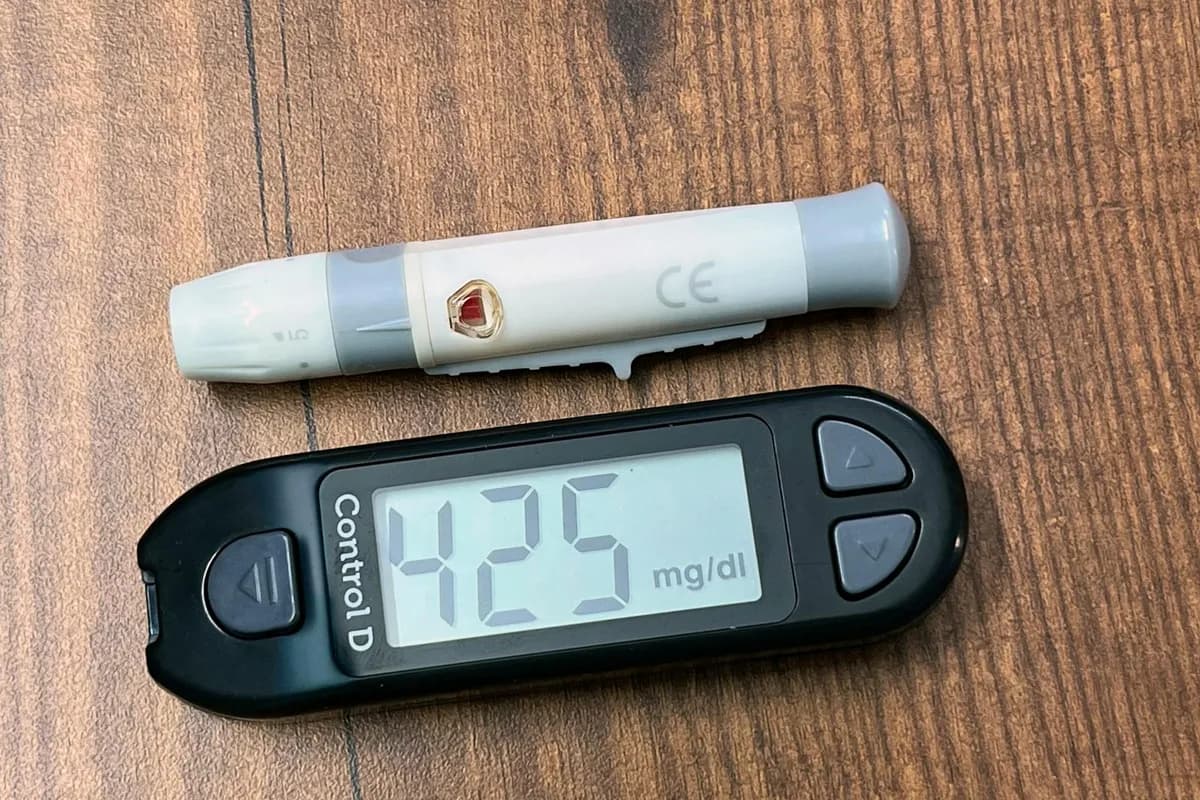
Elevated blood glucose levels indicating disrupted sugar metabolism, associated with diabetes and insulin resistance.
Elevated blood glucose levels indicating disrupted sugar metabolism, associated with diabetes and insulin resistance.
At a glance
What it is
Elevated blood glucose levels indicating disrupted sugar metabolism, associated with diabetes and insulin resistance.
Commonly experienced as
Evidence context
Research-supportedSee the evidence snapshotContext
High blood sugar (hyperglycaemia) refers to elevated glucose levels in the blood — fasting levels above 7.0 mmol/L or post-meal levels above 11.1 mmol/L. It arises when insulin production or cellular insulin sensitivity is insufficient to maintain normal glucose homeostasis. Type 2 diabetes and prediabetes are the most common causes, driven by insulin resistance associated with abdominal obesity, inactivity, poor diet, chronic stress, and sleep deprivation. Type 1 diabetes involves autoimmune destruction of insulin-producing beta cells. Acutely high blood sugar produces thirst, frequent urination, fatigue, and blurred vision. Chronically elevated glucose damages blood vessels, nerves, kidneys, eyes, and immune function. Holistic management targets diet (low glycaemic load, high fibre), exercise, stress reduction, and sleep optimisation alongside medical treatment.
Could this be you
High Blood Sugar shows up differently for everyone. Browse by how it tends to be felt — these are common experiences, not a checklist or a diagnosis.
Common experiences people describe — not a diagnostic checklist.
The Evidence
What research says about high blood sugar, its management, and when professional assessment is essential.
Well-researched condition with clear lifestyle and medical pathways
High blood sugar is one of the most studied metabolic conditions globally. Diet, exercise, and medical management have strong evidence, while some complementary approaches show emerging support. Professional assessment is essential for safe management.
Call emergency services immediately if you notice fruity-smelling breath, vomiting, rapid or laboured breathing, or extreme confusion alongside very high readings — these may signal diabetic ketoacidosis or hyperosmolar hyperglycaemic state, both requiring emergency care. Separately, seek prompt professional assessment for unexplained weight loss with fatigue, persistent fever, or low mood lasting more than two weeks.
Dietary modification — particularly low glycaemic load and high-fibre eating patterns — has strong evidence for improving blood glucose control. Regular physical activity also has strong support. First-line pharmaceutical options are well-established and prescribed by qualified clinicians. Berberine shows moderate emerging evidence but requires further large-scale trials.
Fasting glucose above 7.0 mmol/L or post-meal levels above 11.1 mmol/L are recognised clinical markers. Type 2 diabetes and prediabetes are the most common causes, linked to insulin resistance. Type 1 diabetes involves autoimmune loss of insulin production. Chronic elevation damages blood vessels, nerves, kidneys, and eyes over time.
Effective management addresses diet, movement, sleep, and stress together. Sleep deprivation specifically reduces the body's ability to clear glucose from the bloodstream by impairing insulin signalling in muscle and fat tissue. Cortisol released during chronic stress directly stimulates hepatic glucose output, raising fasting levels even without dietary changes. Addressing these mechanisms alongside medical care supports more durable outcomes.
Options may include GP or endocrinologist assessment, dietitian support for low-glycaemic meal planning, and accredited exercise physiology. Structured diabetes education programmes and HbA1c monitoring provide frameworks for ongoing self-management. Continuous glucose monitoring can help identify individual food and activity responses. Complementary approaches should be used alongside — not instead of — medical care; inflated outcome claims warrant caution.
Blood sugar management should involve qualified healthcare professionals, particularly for medication decisions, monitoring for complications, and interpreting test results. Complementary and lifestyle approaches can play a supportive role but are not a substitute for professional assessment and ongoing care.
References
Educational sources that inform this overview. Inclusion is for context and does not imply endorsement.
Full citations are maintained by the Gyfts editorial team and reviewed periodically.
Keep exploring
Browse practitioners, explore honest overviews, and take what you learn to a conversation — at your own pace.